

Living by integrity—we’re putting it into action.
Release date:
2021-02-01
Person People have faith, nations have hope, and countries have strength. Culture is the soul of a nation and its people. When culture thrives, a nation prospers—and when culture flourishes, a nation becomes strong. Without deep cultural confidence, and without the vibrant revival of our cultural heritage, there can be no great rejuvenation of the Chinese nation.

About the Author
Zhiliangzhi Siheyuan, originally a traditional Beijing-style courtyard located within Dongfeng Park in Chaoyang District, Beijing, was co-founded in 2014 by its founder Bai Lixin along with more than 50 entrepreneurs. Officially registered as the Beijing Zhixing Heyi Yangming Education Research Institute, it is a non-profit, learning-oriented organization primarily composed of business leaders and centered around Wang Yangming’s School of Mind philosophy. On September 1, 2020, the institute relocated to Runze Park in Chaoyang District, Beijing, and subsequently rebranded itself as "Runze University Hall."
2
Synopsis
Part One: The Essence of Over 5,000 Years of Chinese Culture
Part Two: The "Heart-Path-Morality-Action" Four-Part Series
Part Three: Empowering Success at a Higher Level
Part Four: Supporting National Rejuvenation and Building a Community with a Shared Future for Mankind
In recent years, a quiet yet powerful "Zhi Liangzhi" learning movement has been gaining momentum among outstanding enterprises across the country. This wave of Zhi Liangzhi enthusiasm is sweeping the nation—vibrant, dynamic, and steadily growing stronger. At Le Shou Agricultural & Pastoral Group, we’re proudly part of this growing army of learners. But what exactly is "Zhi Liangzhi"? And what are the benefits of embracing this approach? Why are so many companies—and individuals—flocking to it with such eagerness? Most importantly, how exactly can Zhi Liangzhi learning transform and elevate us on both personal and professional levels?


"Zhi Liangzhi," or "Realizing One's Innate Moral Knowledge," is one of the core tenets of Wang Yangming's School of Mind—a philosophy developed by the Ming Dynasty thinker, educator, and military strategist. Wang Yangming believed that everyone possesses innate moral awareness, which is inherently complete and self-sufficient—truly an inner force that requires no external assistance. "Liangzhi" refers to the capacity to discern right from wrong, while "Zhi" signifies the process of refining this understanding through practical experience, blending knowledge with action. Thus, "Zhi Liangzhi" means extending and expanding one's moral intuition to encompass all aspects of life—translating this inner wisdom into tangible actions, ultimately achieving unity between knowledge and practice. In essence, studying "Zhi Liangzhi" involves embracing traditional Chinese culture and the timeless wisdom of sages, particularly as embodied in Wang Yangming's School of Mind. By doing so, individuals can continuously elevate their inner character, fostering personal growth, professional success, harmonious family relationships, and overall well-being—both mental and physical.


First and foremost, learning "Zhiliangzhi" is a necessity dictated by the times. At this critical juncture in China’s history—when the nation is striving to achieve the great rejuvenation of the Chinese nation—the people have faith, the country is strong, and the nation holds bright prospects. "Zhiliangzhi" serves as a powerful ideological tool to guide this transformative journey. Today, thousands of outstanding enterprises across the country are actively encouraging their employees to engage in "Zhiliangzhi" learning initiatives. Indeed, this practice benefits the nation, strengthens businesses, and ultimately enriches the lives of the people.
Secondly, cultivating "Zhi Liangzhi" learning is a necessity for corporate growth. This approach not only provides profound insights into and solutions for the philosophical challenges facing a company’s survival and development, but also serves as a tool to align the shared mindset of all employees, enhance management practices, foster a unified community of stakeholders across the enterprise’s supply chain—both upstream and downstream—and ultimately pave the way for sustained, long-term success.
Moreover, learning to cultivate "Zhi Liangzhi" is essential for employees' personal growth and family well-being. Through this practice, employees can effectively enhance their inner character, navigate family dynamics, address challenges in child-rearing, and resolve numerous other personal and relational issues. Ultimately, it empowers employees to live in harmony with moral principles, confidently pursue their goals, and ultimately lead fulfilling, balanced, and even enlightened lives.
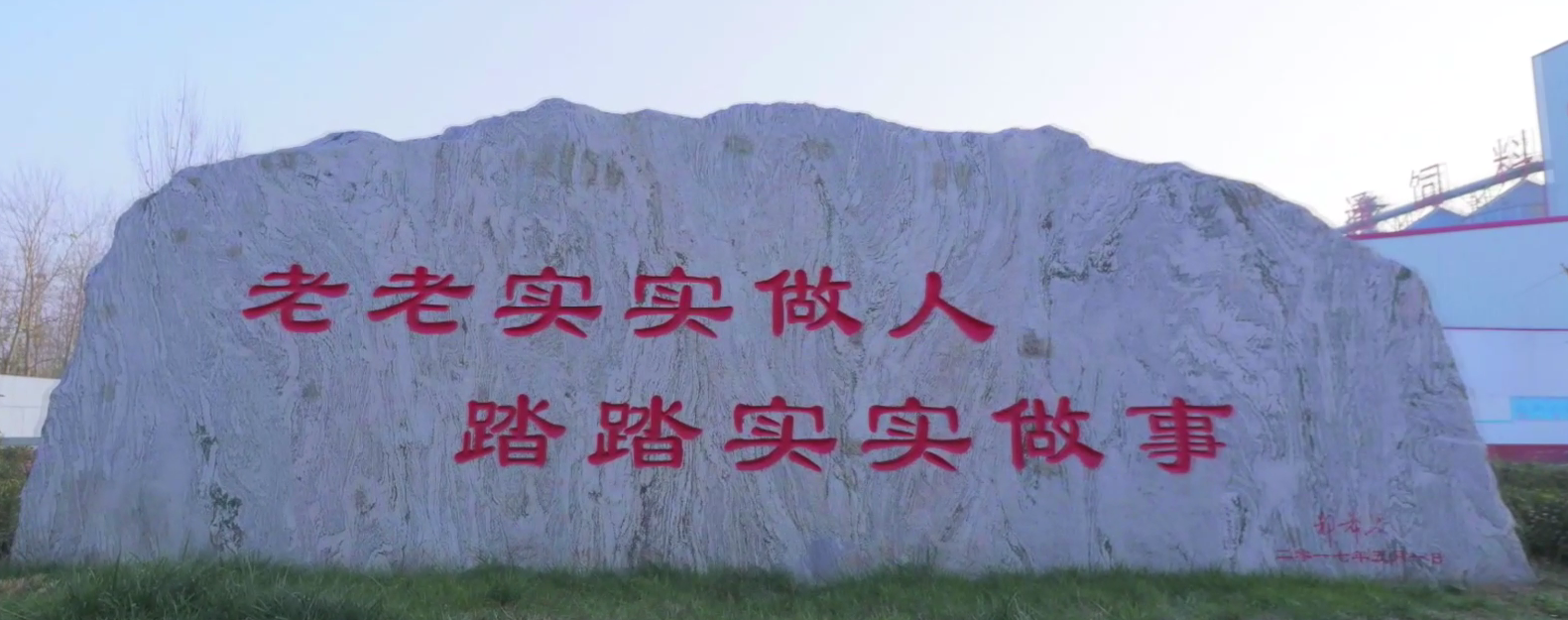
It is well known that the core philosophy of our Leshou corporate culture is: "Be honest in character and diligent in action" (commonly referred to internally as the "Two-Doing Spirit"). But how does this core cultural理念 relate to the concept of "Zhiliangzhi"?
On one hand, the "Two Practices Spirit" draws its ideological foundation from the essence of Mao Zedong Thought and Confucian culture, drawing rich cultural nourishment from them. On the other hand, cultivating inner moral awareness involves studying traditional Chinese culture—particularly the teachings of Confucianism—and the wisdom of ancient sages, linking both approaches seamlessly through their shared cultural roots.
Meanwhile, traditional Chinese culture—represented by the concept of "Zhi Liangzhi"—has provided the theoretical foundation for the "Two Doings Spirit," offering a richer cultural backdrop that further enriches the essence of Leshou's corporate culture.


It is precisely because company leaders recognized the numerous benefits that Zhi Liangzhi learning could bring to the nation, businesses, and individuals that, after multiple rounds of investigation, careful consideration, and thorough deliberation, they ultimately decided to gradually roll out Zhi Liangzhi learning initiatives within the organization. On December 11, 2020, a formal document was issued, mandating that the program first be implemented among key groups—including senior executives, staff from various corporate departments, leadership teams across business units, and marketing personnel—before expanding outward in a ripple effect, eventually fostering deeper engagement with Zhi Liangzhi learning among all employees at Leshou.
So, it’s been over a month since the notice was issued—how’s the learning activity progressing? Let’s take a moment to review together!
Starting from the date the notice was issued, group executives and staff from all departments immediately sprang into action. Following the learning plan requirements, they quickly formed seven-member study groups and elected a group leader to spearhead and drive the initiative. Everyone made the most of their spare moments—whether in the morning or evening—to adopt a "3+1" learning model: reading aloud from "Cultural Confidence and National Rejuvenation" for 5 to 10 minutes three times a week, combined with watching or listening to the four-part audiovisual series once weekly. Participants then shared recordings of their readings and screenshots of their audiovisual sessions in the group chat, fostering mutual encouragement and accountability as they engaged deeply and diligently in the learning process.
The group leaders are also incredibly responsible—they meticulously compile and analyze weekly reports on each member’s reading activities and audio/video consumption within their groups. They actively encourage top performers while gently motivating those who need a little extra push. What’s more, they even publicly recognize enthusiastic learners by giving them special “little red flower” awards as a token of appreciation. Doesn’t this familiar scene somehow make you feel like you’ve stepped right back into your childhood all over again?
Group headquarters staff also take advantage of the daily morning meetings for a focused reading session—short but meaningful, lasting just 3 to 5 minutes. A facilitator leads the group in reading aloud, and afterward, everyone personally shares their insights on what they’ve learned and how it’s helped them grow. Surprisingly, participants seem to enjoy it immensely! In particular, dozens of people hold up little red books as they apply the "Four Clear Steps" method—clearly seeing the text, clearly voicing it out loud, clearly listening with attentive ears, and finally, deeply internalizing it with their hearts. The atmosphere is vibrant and inspiring, filled with a profound sense of reverence and ritualistic joy. Doesn’t this scene feel eerily familiar? It almost makes you pause, momentarily transported back to your own childhood days spent immersed in books!
Leadership teams and marketing teams across all business units have also systematically formed their own study groups, establishing regular learning schedules and in-group mechanisms for sharing insights—ensuring that learning activities proceed smoothly and efficiently.
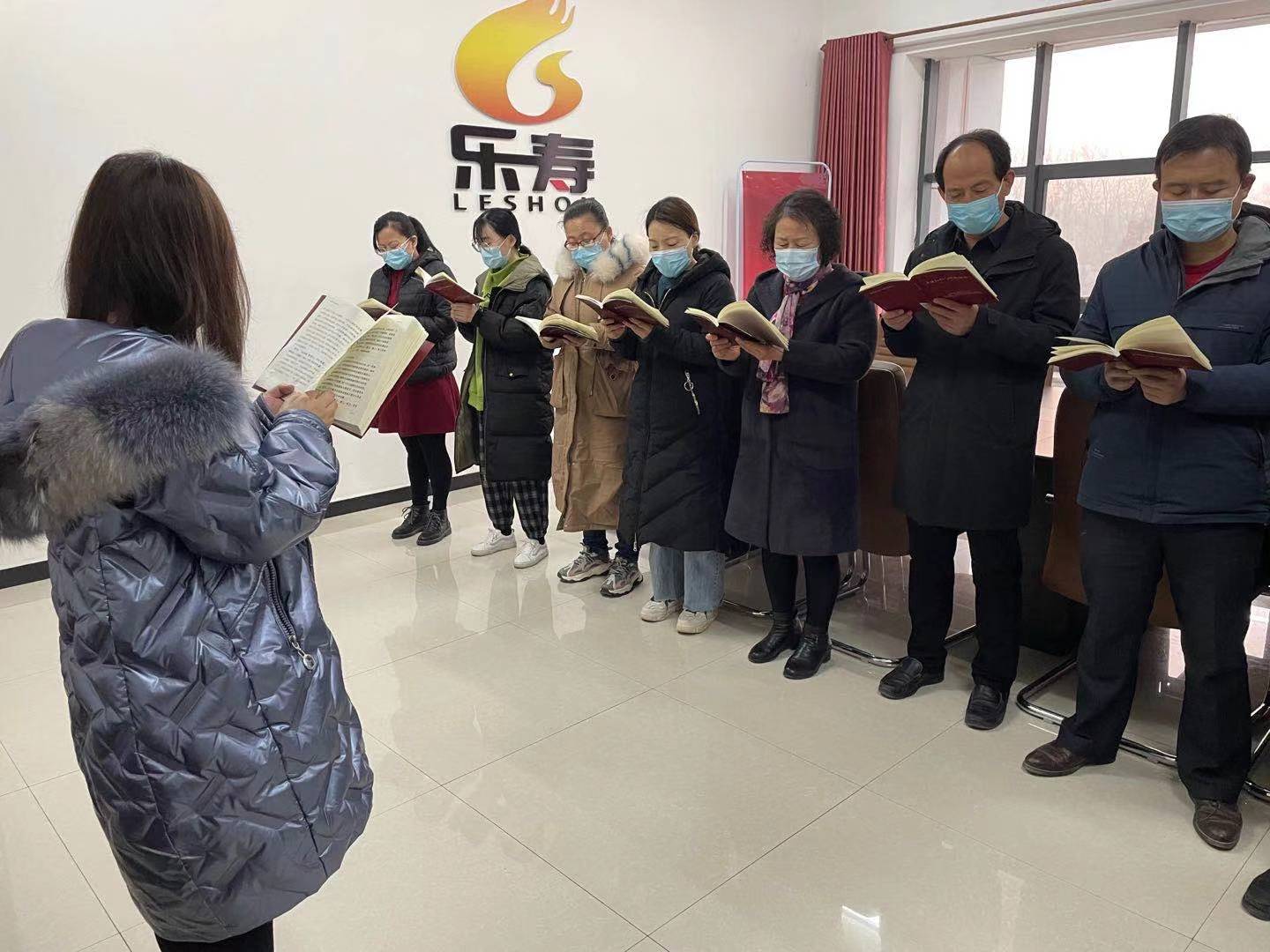
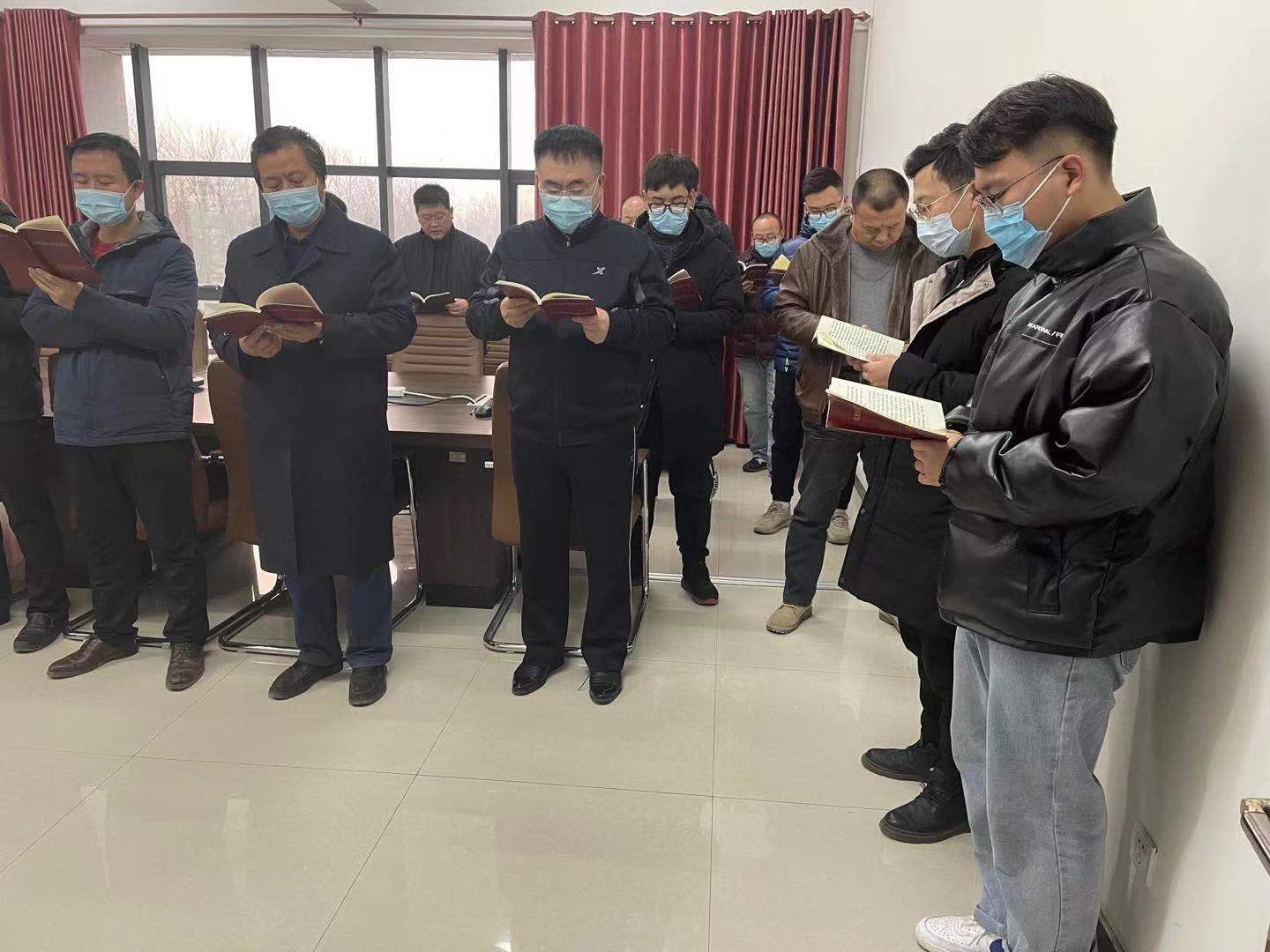
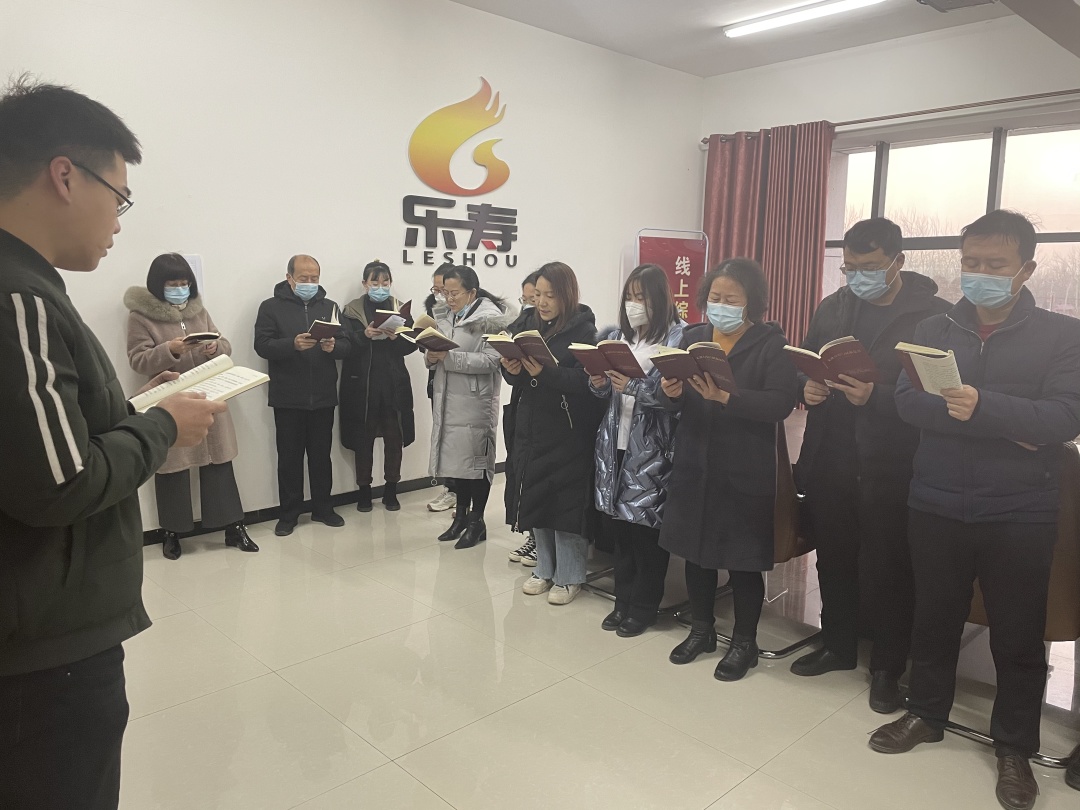
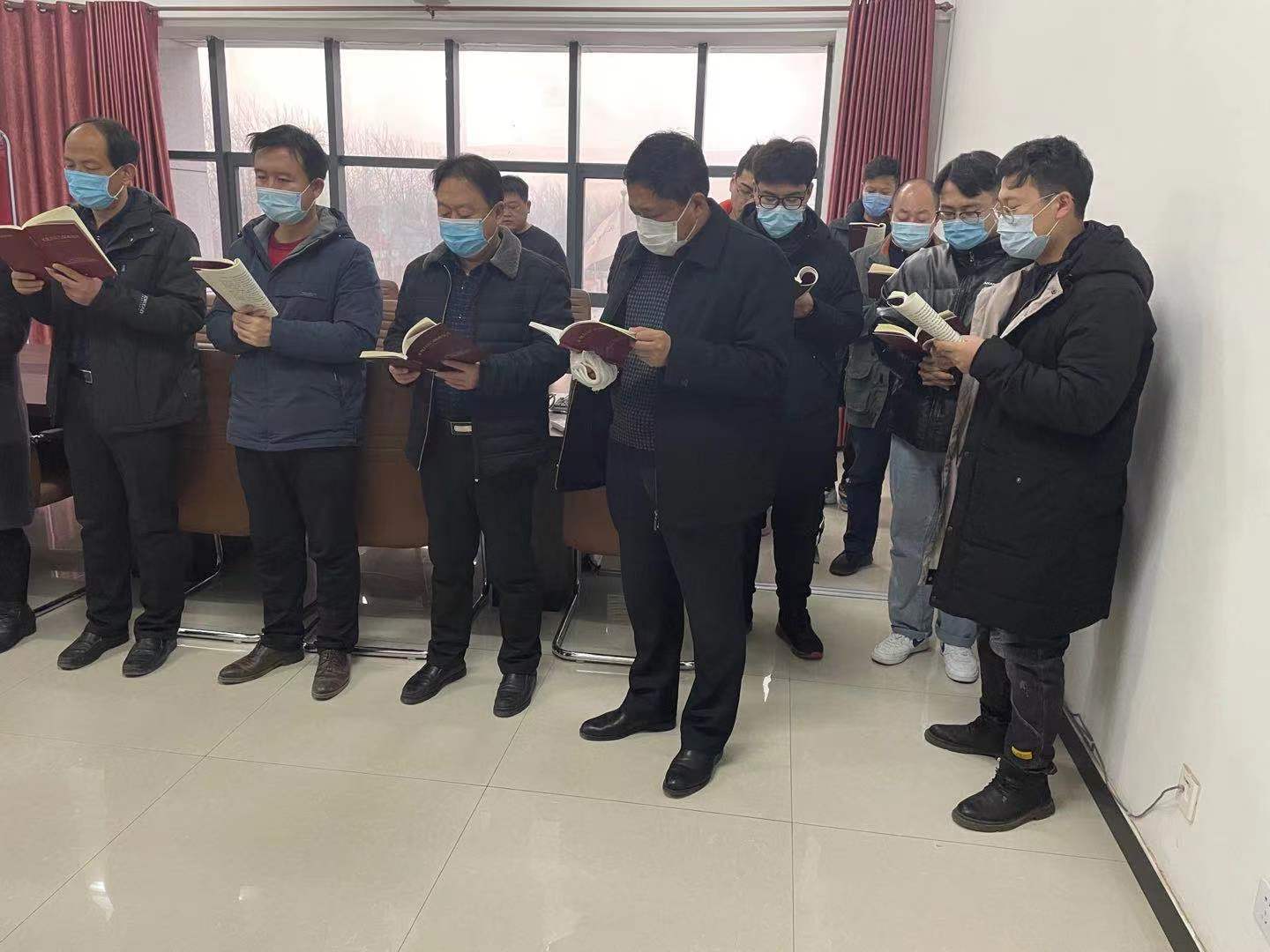
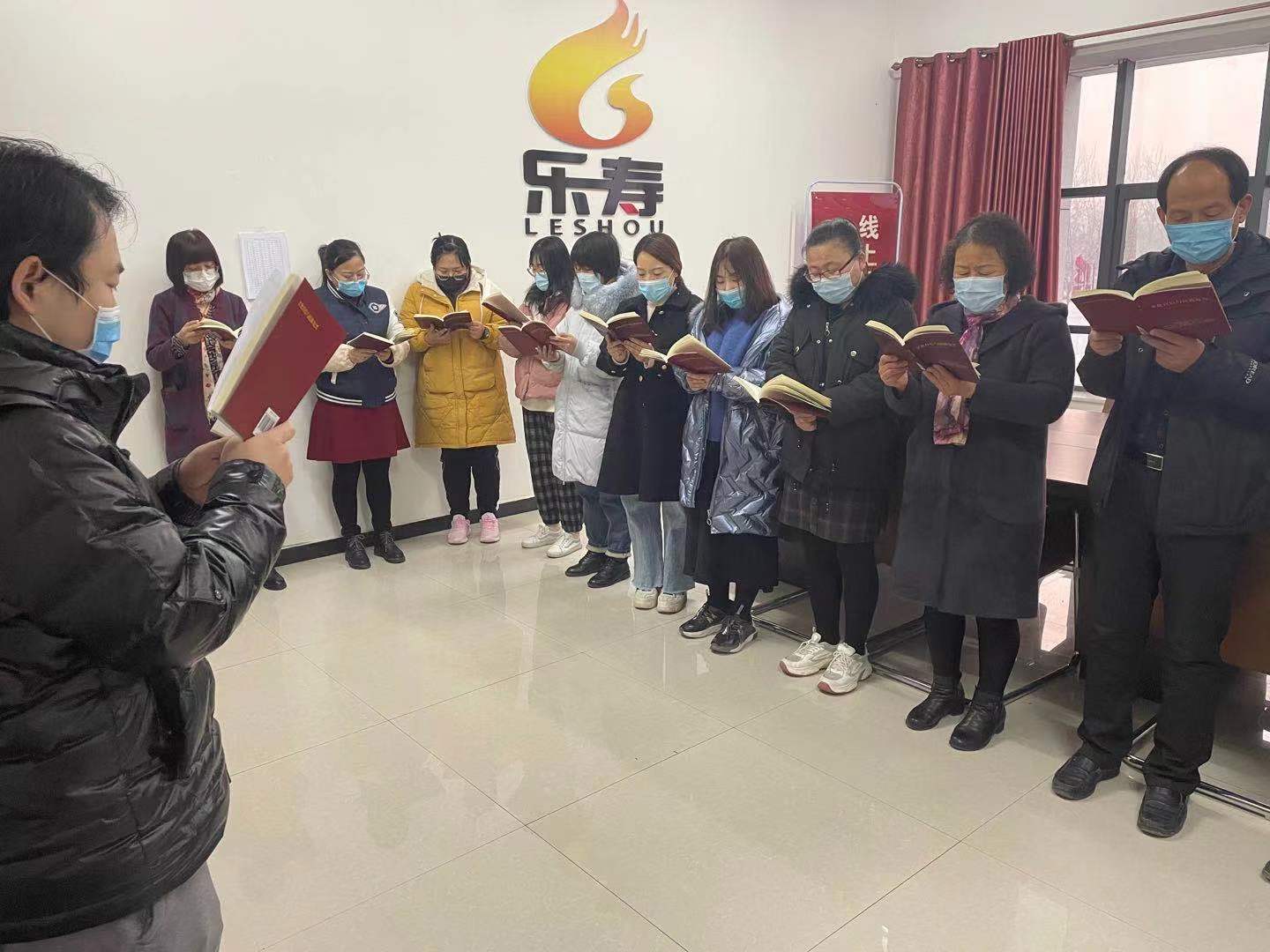
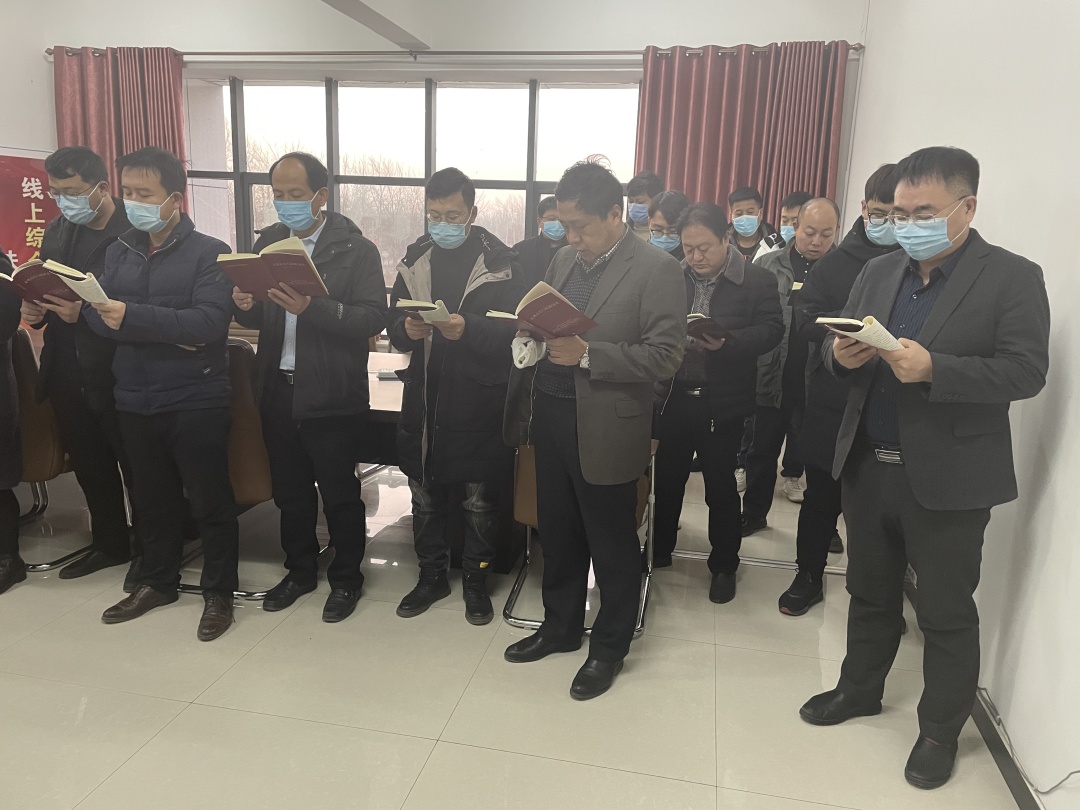
Now, let’s hear what the students have to say about their learning experiences!
Cheng: After studying the "Zhiliangzhi" philosophy for a while, the biggest change I’ve noticed is that my mindset has become much more balanced. Previously, whenever I encountered challenges at work, I’d often feel impatient and struggle to approach problems with clear thinking. But now, influenced by the "Zhiliangzhi" teachings, I feel both gentle and resolute inside—enabling me to tackle workplace issues confidently, rationally, and calmly. As a result, my communication with colleagues has improved significantly, leading to smoother interactions and more harmonious relationships overall.
Feng: By studying "Zhiliangzhi" (the cultivation of innate moral knowledge), my life goals have gradually become clearer—I aspire to become a noble gentleman who is constantly striving for self-improvement and upholding virtue while embracing responsibility. In particular, I focus on working diligently from the heart, continuously elevating the quality of my inner being. After all, without sufficient moral depth ("Houde"), one cannot shoulder greater responsibilities or sustain ongoing professional growth. Virtue itself is categorized into "Koudé" (moral speech), "Xingdé" (moral conduct), and "Xinde" (moral character). Koudé reminds us to speak thoughtfully, avoiding reckless words that might hurt others simply for personal satisfaction. Xingdé encourages us to put the principles of "Zhiliangzhi" into action, while Xinde focuses on nurturing our inner spiritual qualities—helping us elevate our mindset, broaden our perspective, and ultimately achieve higher levels of wisdom and integrity.
Cao: "Zhi Liangzhi" has helped resolve many of life's deepest confusions—like why some people who appear remarkably honest and down-to-earth in everyday situations sometimes end up doing extraordinary, even baffling, things under specific circumstances. It turns out the human heart can be categorized into five "flowing hearts" and five "non-flowing hearts." Moreover, these ten levels of the heart aren’t fixed or absolute; they’re dynamic and fluid. For instance, a truly capable individual typically embodies about 80% of the "capable heart," around 10% reflects the qualities of a "gentleman" or higher, while the remaining 10% may align with the mindset of a "scholar" or lower. The higher one climbs on this spiritual ladder, the nobler and more refined their inner qualities become; conversely, the lower they descend, the more flawed and impure their character tends to be. That’s precisely why we must continually strive to purify and clarify our minds—gradually letting go of ignorance and greed within ourselves. By steadily elevating our inner state, we can avoid making irrational decisions and prevent ourselves from engaging in extreme or reckless behavior.
Li: By cultivating "Zhiliangzhi," my perspective has broadened, making challenges seem smaller. As a result, I’ve learned to let go of certain things, and now my family is even more harmonious.
Qi: Through this stage of learning, I’ve gained a basic understanding of the four key elements—Heart, Way, Virtue, and Action—and their interconnected meanings. The Heart is the source of the Way, the Way forms the foundation of Virtue, and Virtue, in turn, is the root of all Action. Ultimately, the Heart reigns supreme over the body. Take, for instance, one’s career within the realm of “Action.” Once someone reaches the peak level of their current field, they inevitably hit a plateau. At that point, simply putting more effort into the “Action” itself becomes insufficient. To break through this bottleneck, unlock greater potential, and achieve even more significant growth, one must shift focus to higher levels—especially by working deeply on the Heart. By cultivating inner qualities and continually elevating one’s mindset and spiritual awareness, one can eventually turn challenges into opportunities, leading to new breakthroughs and fresh possibilities.
Liu: I believe the greatest takeaway from studying "Zhiliangzhi" for me has been understanding the truth of "action and reaction." As parents, we are our children’s very first teachers—every word and every action we take subtly shapes their lives. We constantly urge and even chase after our kids to study hard, yet we ourselves lack the habit of learning and often spend our days glued to our phones instead. If we’re not striving for personal growth, how can we possibly expect our children to follow suit? After all, teaching by example matters far more than mere words. After all, a parent’s every gesture and behavior directly influences their child’s development—and ultimately, their future.
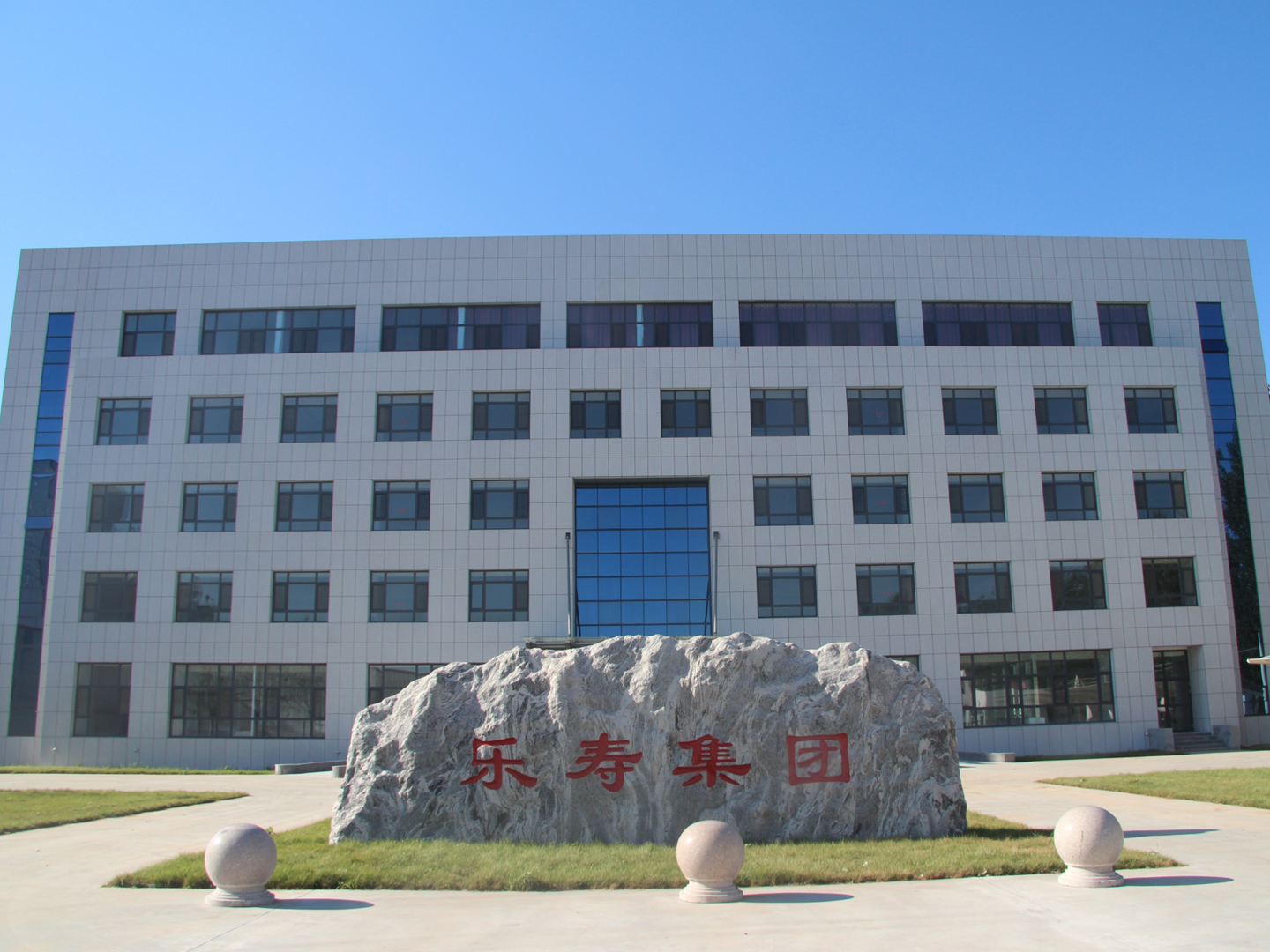
Living by integrity—let’s take action!
We warmly invite more members of the Leshou family to join our Zhiliangzhi learning classes—where you can explore China’s time-honored traditional culture, delve into Master Yangming’s profound teachings on "achieving merit," "cultivating virtue," and "leaving a lasting legacy," and truly grasp the essence of the "Heart, Morality, and Action" four-part philosophy. By doing so, you’ll continuously elevate your inner qualities, broaden your perspective, and rise to new spiritual heights, enabling you to connect and communicate with sages from the depths of your soul. As a result, your work, life, and learning will shine brighter than ever before, transforming your entire journey of life into a vibrant, renewed experience!
Source: Cao Zhenchao, Department of Human Resources
Tags:
Previous
Recommended News

Unit Name:
Le Shou Agricultural and Pastoral Group Co., Ltd. – Hebei Branch
Service hotline:
0317-4600668
Contact address:
Xian County, Cangzhou City, Hebei Province

Official Account